Why our sense of right and wrong gets quieter when it starts to cost us something
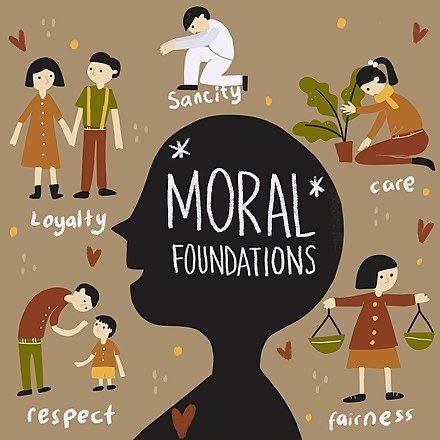
Sometimes I wonder how we, as human beings, categorise things. These categories vary from person to person because we all have different belief systems, experiences, perspectives and patterns of thinking.
Yet, amidst all these differences, certain things remain mutual, regardless of how complicated we make our understanding of the world.
But what I find intriguing is how we begin criticising something in one particular situation while considering something similar perfectly acceptable in another.
Why does our sense of right and wrong become so selective?
Consider a rather popular example of a whale that died after its body was found filled with plastic, with a fishing net entangled around its throat.
The entire incident becomes a subject of discussion. People express their grief, condemn plastic pollution, talk about global warming and question humanity’s irresponsible relationship with nature.
But I wonder, what about the fishing net?
Isn’t that equally worth questioning?
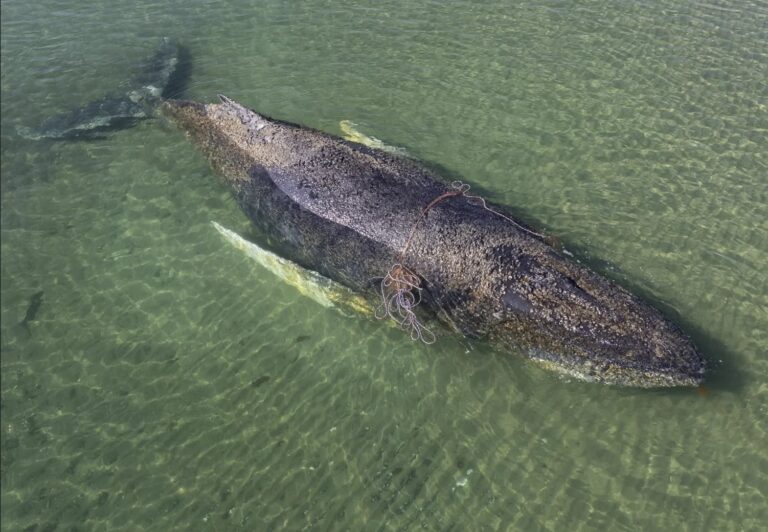
A fishing net is not merely another piece of waste. It represents an activity in which marine animals are deliberately caught and killed for human consumption. And when these nets are abandoned or lost, they can continue trapping and killing marine animals long after they’ve served their original purpose.
So, how do we reconcile these things?
How can someone passionately speak about environmental protection, marine life and the consequences of human interference with nature, while considering the exploitation of those very animals an entirely acceptable practice?
But I think this goes much deeper than marine life.
It’s about how proudly we stand against major issues, often by pointing fingers at others, while conveniently overlooking the aspects of those very issues that involve our own choices.
We speak about environmental responsibility, but we rarely examine our own consumption patterns with the same consistency.
We question certain activities because they contribute to pollution, harm animals or deplete natural resources. Yet we seldom extend that same scrutiny to our everyday habits, comforts and choices.
There are the animals we consume. There are the environmental consequences of industries that sustain our lifestyles. There is the pollution and energy consumption associated with the comforts we rarely think twice about.
And when we speak about animals, what about those who are used for racing, those used for domestic purposes, or those who simply carry humans on their backs? We rarely count them in the conversation, because their use has become so ordinary that it no longer looks like exploitation.
This selectivity shows up in small, everyday things too. Eating deep fried chakli and karanji is called unhealthy, but eating a croissant is perfectly okay. Isn’t this hypocrisy? Millets were once dismissed as ordinary food, and the moment they arrive in a trendy package they are celebrated as superfoods. Haldi doodh was just a home remedy until it was renamed a golden latte. The food did not change. Only the label did, and the people who approve of it. Why do some forms of environmental damage become subjects of collective outrage, while others remain largely unquestioned simply because they are part of our routine?
I’m not suggesting that every activity has the same consequences or that we must abandon every comfort to claim environmental consciousness.
But shouldn’t the willingness to question our actions be equally consistent?
Perhaps the real issue isn’t what we choose to stand against, but what we conveniently choose not to question. It’s easy to recognise a problem when it exists outside our immediate lives. It’s considerably harder when addressing it requires us to reconsider our own habits, preferences and conveniences.
Nature is constantly made to accommodate human activities, and we seem to become concerned only when the consequences become visible, dramatic or socially unacceptable. And perhaps that’s what bothers me the most. Why do only certain topics become part of our discussions when it’s convenient? We collectively condemn one form of destruction while remaining indifferent towards another. Perhaps it is selective morality. Some practices are so deeply embedded in our lifestyles that questioning them would mean questioning ourselves. Or perhaps we have simply become accustomed to expressing concern for issues that are socially recognised as worthy of concern. And there’s another uncomfortable possibility. Do we sometimes talk about these issues because we genuinely care, or because being seen as someone who cares has become a form of social identity?
Environmental consciousness can sometimes be more about expressing the right opinions than examining our own actions. Sometimes we point out issues loudly, and only at certain moments, because we feel it will get us highlighted. Why do we purposely choose those moments?
Of course, not everyone who speaks about pollution or global warming is pretending to care. And caring about one issue doesn’t automatically make someone responsible for solving every other issue. But there’s a difference between having limited awareness and deliberately overlooking contradictions. Perhaps the real problem isn’t that human beings have different belief systems. It’s that we often apply our principles selectively, depending on how much they challenge our own comfort, habits and interests.
We are quick to identify the problem when it belongs to someone else, but considerably less willing to examine it when it is woven into our own everyday lives.
And maybe the question we should ask ourselves is not simply whether we care about nature, animals or the environment, but whether we’re equally willing to question the parts of our own lives that contribute to their suffering.
Because principles should not become convenient only when they are directed at someone else.
Leave a Reply