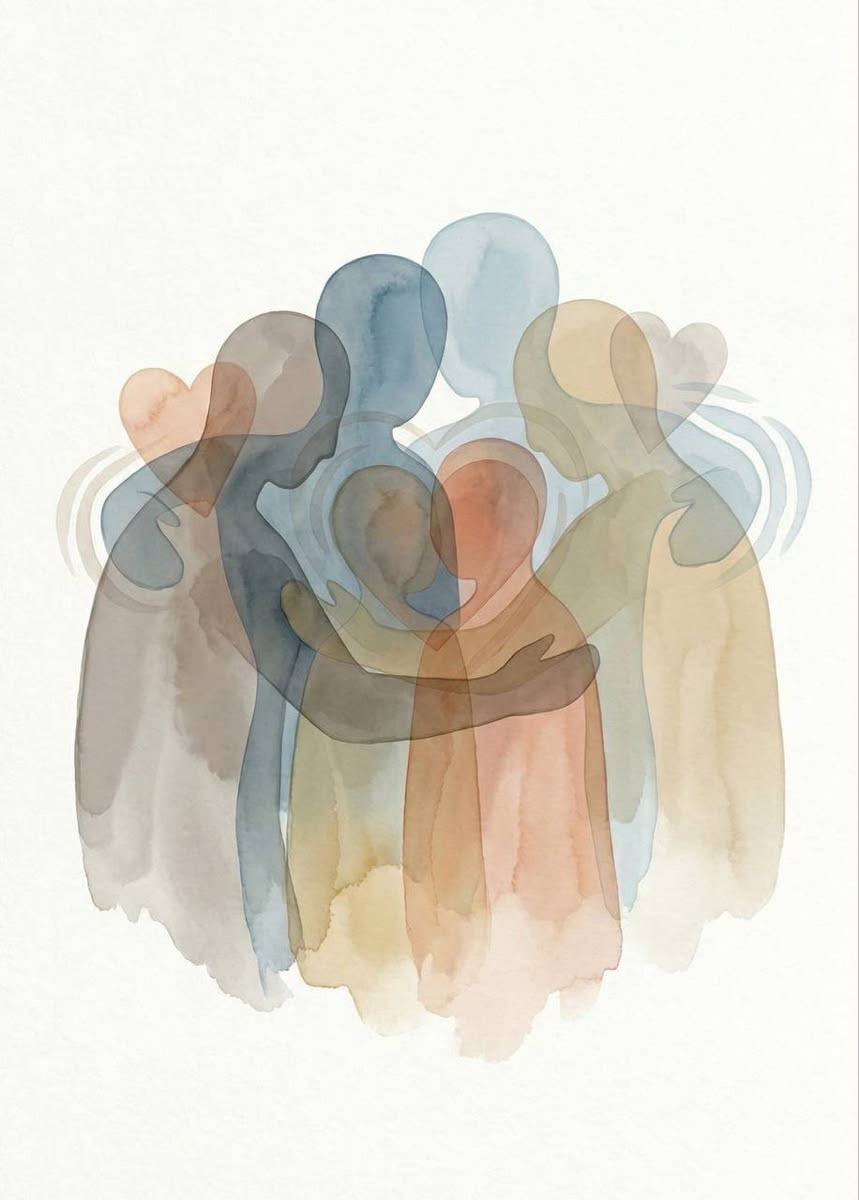
On how we treat people by their clothes, language, or job
I often find this very strange and disturbing at the same time: how quickly we judge people, how quickly we react, and how often we react by saying something that, unintentionally or intentionally, harms someone.
A person walks into a room, and within a few seconds the verdict is out. The clothes, the way they speak, the language they speak in, the work they do. Nobody announces it, but everyone feels it. Some people are welcomed with warmth, and some are quietly measured and placed lower. All of it happens before a single real conversation has even begun.
Respect, as we practise it, comes from the way someone presents themselves, or how much they earn, or the social image they hold. The more impressive the image, the more respect it gets. It is rarely connected to who the person actually is.
And the strangest part is what it does to the rest of us. We literally become so vulnerable just to be around such people, to be in their good books, that we start accepting their wrong opinions, their wrong things, their wrong talk. We laugh at things we don’t find funny. We stay quiet when something is wrong. We nod along to things we would never agree with if they came from anyone else.
Isn’t it just for being around them? Just for being in their good books?
That is the part that disturbs me most. The person who is judged loses dignity, but the person who keeps quiet to stay acceptable loses something too. They lose their own voice, a little at a time, for a seat near someone with a better image.
A recent incident shook me. I was having a conversation with an elderly woman who was selling fruits. It was an ordinary, friendly conversation, the kind that should not need any explanation.
But I noticed the way a few people around me looked at me, as if what I was doing was an odd thing. As if a conversation with her was somehow beneath me, or beneath them.
Why? Because she sells fruits? Or because she doesn’t sit in their society’s standards?
She is an elderly woman, working through the day to earn her living, and she was kind enough to talk. Nothing about that deserves a raised eyebrow. And yet, to some people, her work and her place in the world were enough to decide that she was not someone to be spoken to as an equal.
In the place where I live, people interact with me because I casually chat with such people. We stay very casual. We don’t show off, and we don’t gossip about anything. We don’t attend kitty parties or accept anything and everything that is expected of us in order to belong.
It is so annoying. Is it a problem that we treat everyone equally? Somehow the simplest thing, speaking to a person as a person, has become something people find unusual, and sometimes something they quietly disapprove of.
And here is the irony. The people who work with us, who help us in our daily chores, call us every time they have a celebration. They consider us family members. They invite us into their happiest moments, not out of obligation, but because the respect they received from us was real, and they felt it.
The people society says are “below” us are the ones who show up with open hearts. And the people who sit in the “right” position are often the ones who measure, compare, and look away.
I then realise it is also about people who value you, who respect you even when you don’t sit in that “idealistic position” of society. They matter the most, more than fake people who respect money and social status over humanity.
Fake respect is easy to spot once you stop needing it. It depends on the position you hold, the clothes you wear, the money you carry. The day any of that changes, it disappears. But the respect of people who see you as a human being stays the same on your best day and on your worst.
So I have stopped chasing the respect of people who can only see the surface. I would rather have a few people who value me for who I am than a crowd that respects only what I appear to be.
I often believe respect comes from how kind you are towards others, towards nature, towards animals, and mainly towards every single person around you. It is not about your dress, your accent, your job, or your bank balance.
You treat everyone equally, without categorizing anyone. The same warmth for the person who sells fruits as for the person who owns the building. The same patience for the one who cleans the house as for the one who visits it. That is all it takes. It is not complicated. It only asks us to see the person before we see the position.
Respect has no dress code. It only has kindness.
Leave a Reply