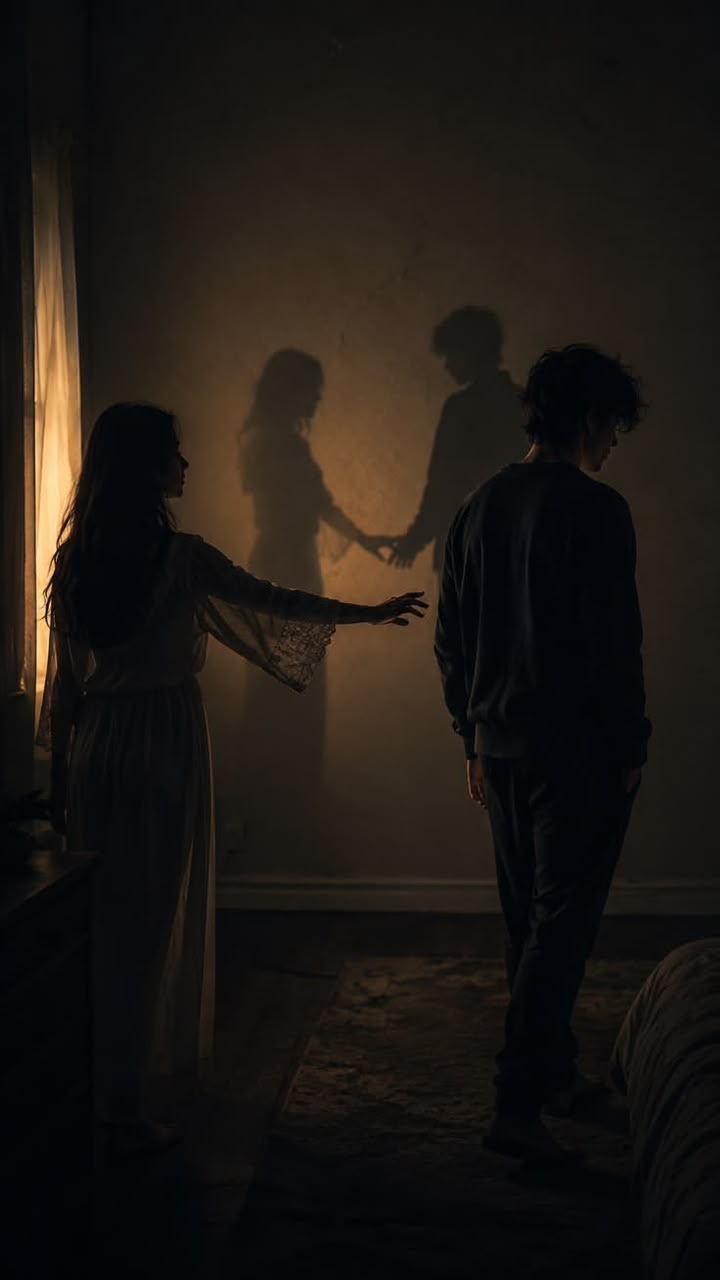
When peace in a relationship is really just one person adjusting
Sometimes I wonder what love exactly looks like to the people around me.
The concept of adjustment. Sacrifices. Hassle-free relationships, just to avoid fights.
Is this love? Is this truly togetherness?
I doubt it.
Yesterday I was in a shop looking at handbags when a couple walked in. The woman seemed to like one. The shopkeeper asked what kind of bag she was looking for, and she did not answer. She turned to her husband and asked, “What kind of bag should I buy?”
He described it to the shopkeeper. Bag after bag was brought out, and he said no to each one. “Not this. Not this.” Finally, one was chosen.
I kept wondering: did she really like that bag?
Maybe she did. Maybe he has good taste. Maybe this is simply how they shop together, and it works for them. Asking for someone’s opinion is not wrong. We all do it. But it can go both ways. She could have chosen and he could have approved. He could have asked, “Which one do you like?”
I can’t know what was in her mind. But the scene stayed with me, because it did not feel like an exception. It felt like a small, visible piece of something much bigger.
Somewhere in Every Relationship
Somewhere in every relationship, there is a sentence that changes things.
“Why do you think like that?”
“Why can’t you behave accordingly to me?”
It never arrives on day one. It comes slowly, never all at once. A raised eyebrow. A sigh. A “leave it, you won’t understand.” And one day you realise you have been editing yourself for months.
It Never Stops at Handbags
What to wear. Which colour suits you. Whether to take that job. How loudly to laugh. How much to speak in front of family. What to feel, and for how long. It starts with small choices, and each one looks harmless. Slowly, the person who used to say “I like this” starts saying “whatever you think is fine.” And then one day, they stop knowing what they like at all.
Love, Adjustment, or Control?
From the outside, they look almost the same. What separates them is who changes, why, and whether it was chosen. Adjustment is meeting in the middle. Where to live, how to spend money, whose family to visit during which festival. Both people bend, and both still feel like themselves at the end of the day.
Growth is real too. Good love changes us. But growth has one condition: you choose it. It never arrives as an ultimatum.
Control is “love me by becoming who I need.” One person’s way of thinking becomes the standard, and the other’s becomes the problem. Your pace, your emotions, your silence, your opinions get treated as flaws to be fixed instead of differences to be understood. And then there is the most dangerous one, because it looks like peace. One person keeps adjusting just to avoid a fight. There is no drama. Everyone says, “What a perfect couple.” But one person is slowly disappearing.
Why Do People Try to Change Their Partner?
I don’t think it is always cruelty. Many times it is fear. Sameness feels like safety. If you think like me, feel like me, react like me, I will never be confused by you or feel alone next to you. So your difference becomes a threat to my comfort, and I try to smooth it out. Sometimes it is insecurity. A partner who thinks, earns and chooses independently can feel threatening to someone who needs to be needed. Some people love the potential, not the person. They fall in love with who you could become, if only you changed this one thing, then another, then another. And you can never win, because the finish line keeps moving. And a lot of it is what we were taught. We grow up hearing that a good partner adjusts. Rarely do we ask: who is adjusting, and how often? Is it always the same person?
Who Usually Adjusts?
Let’s be honest. In many homes, in India and elsewhere, it is usually the woman. She is told to adjust to the new house, the new family, the new routines, the new opinions about how she should dress and speak. And she is praised for it. It is called maturity, sanskaar, being a “good wife.”
But it is not only women. Men are told to suppress their feelings, to be the provider, to never complain. The pattern is the same: one person’s comfort is built on another person’s silence.
But Isn’t Some Change Necessary?
Yes. And that is what makes this difficult. No relationship survives without change. If you never listen, never soften, never adapt, that is not being authentic. That is being stubborn. So the question is not “should I ever change?” The question is:
Am I changing because I want to, or because I am afraid?
Is my partner changing too, or only me?
Do I feel lighter after the change, or smaller?
If I said no, would it be respected, or punished with sulking, anger or silence?
Change that comes from love feels like growing. Change that comes from pressure feels like shrinking.
A Smooth Relationship Is Not Always a Healthy One
We admire couples who never fight. But silence can look like peace, and agreement can be fear in disguise. Sometimes the absence of conflict only means that one person stopped speaking up a long time ago. A healthy relationship is not one where nobody disagrees. It is one where disagreement is safe. Where “I see it differently” does not turn into a cold war. Where two different minds can sit at the same table and neither has to disappear.
What Real Love Looks Like
Real love can say, “I don’t understand how you think, but I would like to.”
It stays curious where it could have stayed critical. It asks “Which one do you like?” before it offers its own opinion. It trusts you with your own choices, even the ones it would not make, even your mistakes. It does not need you to be a copy of itself to feel close. And when it does ask for change, it asks gently, it asks both ways, and it accepts “no” as an answer.
The Question to Ask Yourself
If you have been wondering whether you are adjusting or disappearing, ask yourself:
When was the last time I made a choice, big or small, purely because I wanted it?
If I showed my full, unedited self in this relationship, would I still be loved?
If the answer is yes, you are in a relationship. If the answer is “only if I change,” then it is worth asking who this relationship is really for. Because the woman in the shop may have loved that bag. I hope she did. But I hope even more that she knows, somewhere inside, what she would have picked if no one had said “Not this.”

Leave a Reply