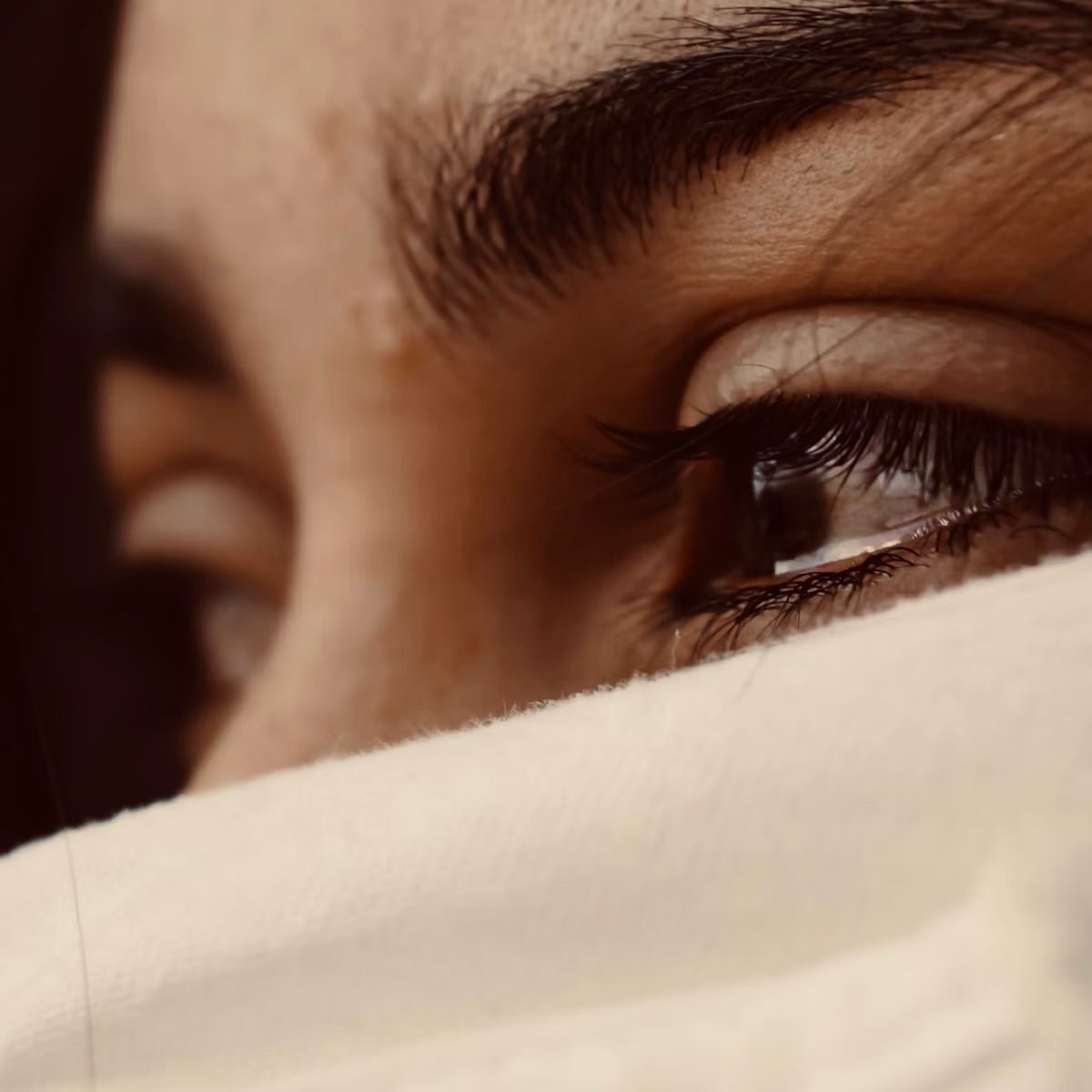
On the words we throw, the kindness we choose, and the people who don’t deserve our space
Let’s start with basics.
When you give it a fancy name and enlighten your vocabulary, criticism still means the same thing at its core — talking negative about people. Simply being unkind toward others. Calling it something else doesn’t change what it actually is.
This criticism starts with jokes sometimes. Sometimes it is indirect. Sometimes it happens behind your back. Sometimes it is just harsh — clearly pointing you out in public or in isolation. But it is harsh. And it is not about being truthful. It is being sarcastic. It is being unkind. It may cause permanent damage. It may create an inferiority complex. It may stay with a person long after the words were spoken, long after the person who spoke them has forgotten they ever said it.
And unknowingly — or sometimes very knowingly — people talk without even acknowledging what others might feel about it. Without considering what situations they are going through. Without the simple practice of pausing and asking: is this kind?
The Words We Throw So Easily
The other day, I noticed how easily people throw words around.
“He is so ugly.”
“She is so fat.”
“How mean they are.”
“How poor their fashion sense is.”
And it doesn’t stop there.
One line becomes another, and another — like the level keeps increasing, as if people get bolder the more they tear someone down. As if criticism is a muscle that strengthens the more you use it. I watched this happen and I paused and asked myself — am I doing something wrong that I don’t see people like this? Because my eyes don’t catch “defects” that quickly. My mind doesn’t automatically sort people into categories of what is wrong with them. But maybe that is not wrong.
Maybe it is a choice.
Because flaws are easy to stack one after another. But kindness, innocence, goodness — those take a softer eye. Those require you to look beyond the surface and see the whole person instead of just the parts you can criticise. So no, I am not blind.
I just choose not to see people in pieces.
The Gap Between What Is Seen and What Is Chosen
Why can’t people see beyond these flaws? Is it that difficult?
Criticism follows you everywhere. And it is true about the maximum population — most people operate this way, even if they do not realise it. They praise you. Your education, your knowledge, your accomplishments — they praise them in front of you. The minute you turn your back, they start analysing your success based on their own set of rules.
If you earn according to their acceptance, you are the most successful. If you settle in life the way they imagined for you, you are their most valuable asset. But what if you don’t? What if you make different choices? What if you define success differently?
Then they start claiming you and your ability worthless.
The praise was never really about you. It was about whether you fit their picture of what you should be.
The Cruelty of Double Standards
Often times you are judged precisely because you stand by kindness and humanity. You choose to be humble over arrogance, and they start believing you are the weakest person. Your gentleness becomes evidence of your inability to command respect. Your choice to see people as whole rather than in pieces becomes evidence of your blindness.
This is the cruelty of the double standard. You cannot win because the rules change depending on what they need from you in that moment. Be successful and they question whether you deserve it.
Be humble and they say you lack confidence.
Be kind and they say you are weak.
Be strong and they say you are arrogant.
No matter what you choose, there is a criticism waiting. Because the criticism was never actually about your behaviour. It was always about whether you were serving their needs, fitting their expectations, confirming their beliefs about the world.
Who Gets to Stay
These people — the ones who praise you to your face and analyse your worth the moment you turn around — they are fake. They operate on a double standard. They say one thing and mean another. They are kind when it benefits them and cruel when it doesn’t.
And they should not be tagged as your people. Your people are the ones who see your flaws and choose to see you anyway. The ones who do not need to tear you down to make themselves taller. The ones who can disagree with you without making you feel worthless. The ones who criticism, if they ever offer it, comes from a place of actually caring about you — not about fitting you into their picture of what you should be.
Those are rare. But they are the only ones worth keeping close. Everyone else — the ones who throw words easily, who praise and then analyse, who call kindness weakness and humility a lack of strength — they are the ones who do not deserve your space. Not because you are better than them. But because they have chosen a way of being in the world that does not include seeing you fully. And you deserve people who do.
On Choosing to See Fully
I want to say this clearly because I think it matters.
There is a difference between seeing someone’s flaws and choosing to see them anyway, and seeing someone only in pieces. The first is wisdom. The second is cruelty dressed up as honesty. Flaws are easy to see. Any eye can spot them. But seeing the whole person — their kindness alongside their mistakes, their strength alongside their vulnerabilities, their worth despite their imperfections — that takes a different kind of vision. That takes choice.
And that choice is what separates the people worth keeping close from the ones who should not be tagged as your people.
So no, I am not blind to flaws. I simply choose not to see people in pieces. And I will not tag as my people the ones who do.
Author’s Note: Criticism that tears you down without seeing you fully is not wisdom. It is just unkindness with a better vocabulary. Choose the people who see you completely — flaws and all — and choose you anyway.

Leave a Reply